A bridge to support for people living with dementia
Alzheimer's Society
16/01/2026
Alzheimer's Society
16/01/2026
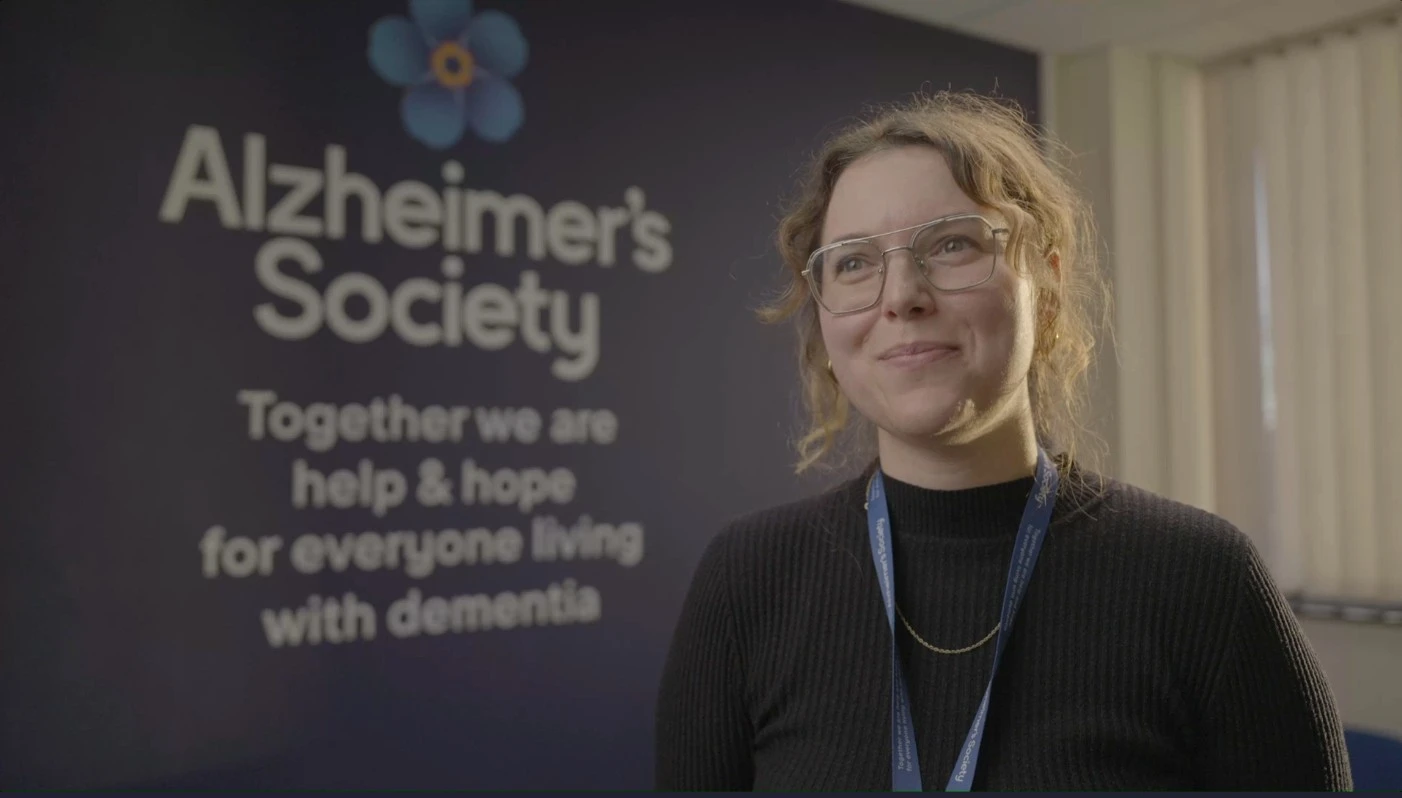
Alzheimer’s Society works in partnership with the NHS in Bristol to deliver the Bristol Dementia Wellbeing Service.
Side by Side is a service that sits under that commission and Dogs for Good works in partnership with Alzheimer’s Society, training and recruiting volunteers to take their dogs out to people living with dementia in the form of weekly Side by Side companionship visits.
Sophia Simlat is the Side by Side coordinator at Alzheimer’s Society in Bristol. We spoke to her about the partnership between Dogs for Good and how the service provides benefits to Alzheimer’s Society and the people it supports.
Having a dog as part of the service really can be the difference between somebody engaging and someone not engaging. We're trying to connect people to parts of themselves that will keep them motivated and active and bring a little bit of joy to their day.
Side by Side is similar to a befriending service but it's a little bit different because the focus is on empowering the person with dementia to continue doing the things they love; staying in contact with interest and hobbies, accessing the community, staying active and ultimately living as well as possible for as long as possible with their diagnosis.
One of the core aims of Side by Side is to provide a preventative service that keeps people more independent and keeps them at home and out of hospital and care systems for as long as possible.
Over and over again we were seeing that the people on our waiting list who were living with dementia, people who were incredibly isolated and had real barriers to meaningful activities... also had an incredible connection with dogs. They might have had dogs their entire lives or up until fairly recently and because of their diagnosis or other health concerns, they might not be able to look after a dog anymore. And that could have been a really big part of their daily routine.
A lot of the time, part of being a dog lover and having a dog in your life can be a really integral part of somebody's identity and that's what Side by Side really aims to do. It's to connect people living with dementia to those parts of themselves that help them continue to be an active participant in their own lives.
So, we're incredibly fortunate to work with Dogs for Good to train and recruit volunteers to take them out to people living with dementia so they can have that regular contact.
Having a dog as part of the service really can be the difference between somebody engaging and someone not engaging. We're trying to connect people to parts of themselves that will keep them motivated and active and bring a little bit of joy to their day. Dogs really help deliver that.
We know that dementia affects people's memories, but it can also affect things like fine motor skills, speech and word finding. It can leave someone with dementia really anxious about leaving the house or engaging in meaningful activities. But a dog doesn't mind if someone's struggling with their communication. A dog can be an incredible motivator; we've had someone who hadn't left the house for a year before her volunteer came with the dog, and she then felt able and motivated to go out. Another person caring for her husband who has dementia, said that it wasn't likely that he'd leave the house without her, because he rarely did any more. But as soon as the dog was brought in, he had his coat and shoes on and was ready to go out without a backward glance.
The dog visiting with a volunteer can bring an element of joy and a focus to the session. For some people, especially if that person has problems with speech and communication, traditional befriending where you're sat oppositive someone, chatting for an hour, can be quite daunting. But having a dog there too can provide a different focus. Dogs can be a bridge to access support; someone who previously might not have been accepting of our service, will accept the service if there's a dog coming along too.
Having time and regular contact with a dog for someone with dementia can connect them to their identity. It can bring them back to a time before they had those barriers to activities because of their diagnosis.
Dementia can take someone back to a time when they were younger, where perhaps they had a dog, were more active or were looking after a dog and having a dog there, helps connect them again with that part of themselves. It helps motivate them to engage with a volunteer, with a community and to their life in general.
- Sophia Simlat, Side by Side coordinator at Alzheimer's Society
We know that there are a million people living in the UK with dementia and every single one of those people will have a different experience with their dementia journey. So, working in partnership with Dogs for Good and offering the community dog sessions, allows us to reach more people affected by dementia.
Side by Side aims to keep people living with dementia in contact with things that help them remain active participants in their lives. So, things like hobbies, interests, being active, going out into the community and staying as well as possible with their diagnosis. When someone with dementia is matched with a Side by Side volunteer, they will have an idea of some of the things they'd like to do together as part of their sessions. And when a dog is involved in that visit, those things could look like practicing fine motor skills by giving the dog treats, it could be grooming the dog, throwing a ball. Or it could be goals like leaving the house again, or getting out into the community, engaging with someone and a dog and having the benefit of that social contact.
The people we support in partnership with Dogs for Good are usually people who are incredibly isolated. They have barriers to meaningful activity, and they have a deep connection to dogs and having dogs. A dog helps them focus differently; simple things like perhaps someone hasn't even been out in their garden for months and having a dog there is the motivation that changes things.
Someone living with dementia might experience loneliness and a real change in pace from their usual activities. Having a dog there can help to build confidence again, can help with cognitive skills, socialisation; being able to practice their speech and language skills with the volunteer. Maybe because of their anxieties around the dementia symptoms, they might not have necessarily engaged with Alzheimer's Society and Side by Side if it hadn't been for a dog being involved. It takes the focus off them and their dementia and focuses instead on the dog and what the dog is doing.
I would absolutely recommend partnering with Dogs for Good. We've been incredibly fortunate in Bristol in being able to work with them. It's allowed us to be able to bridge a gap in support to reach more people affected by dementia, it's attracted volunteers to us and enabled us to deliver a person-centred approach that focuses on what that individual would really benefit from with the added bonus of a dog being involved in the visit as well.
But your support will enable more people living with dementia to be active, engage with their community and stay as well as possible with their diagnosis
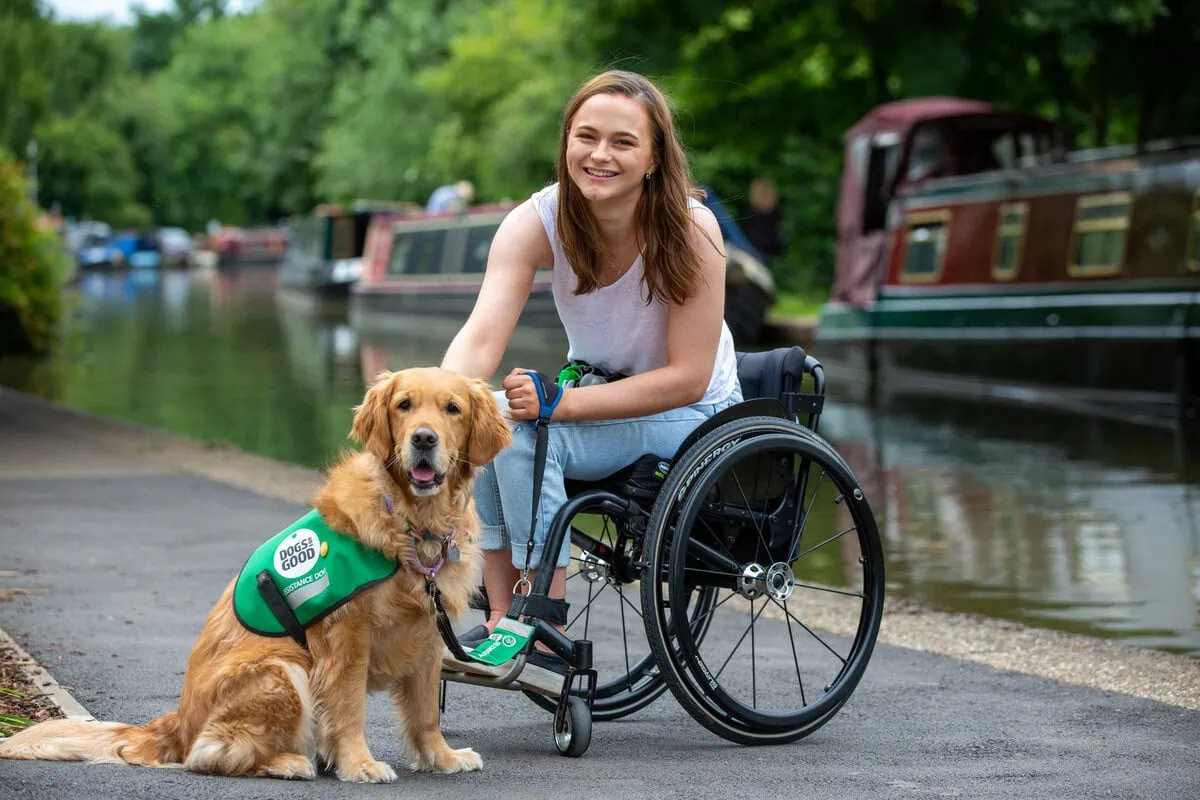
Thanks to the help assistance dog Rumba gives her, Isabelle is living independently and is now working on a PhD.
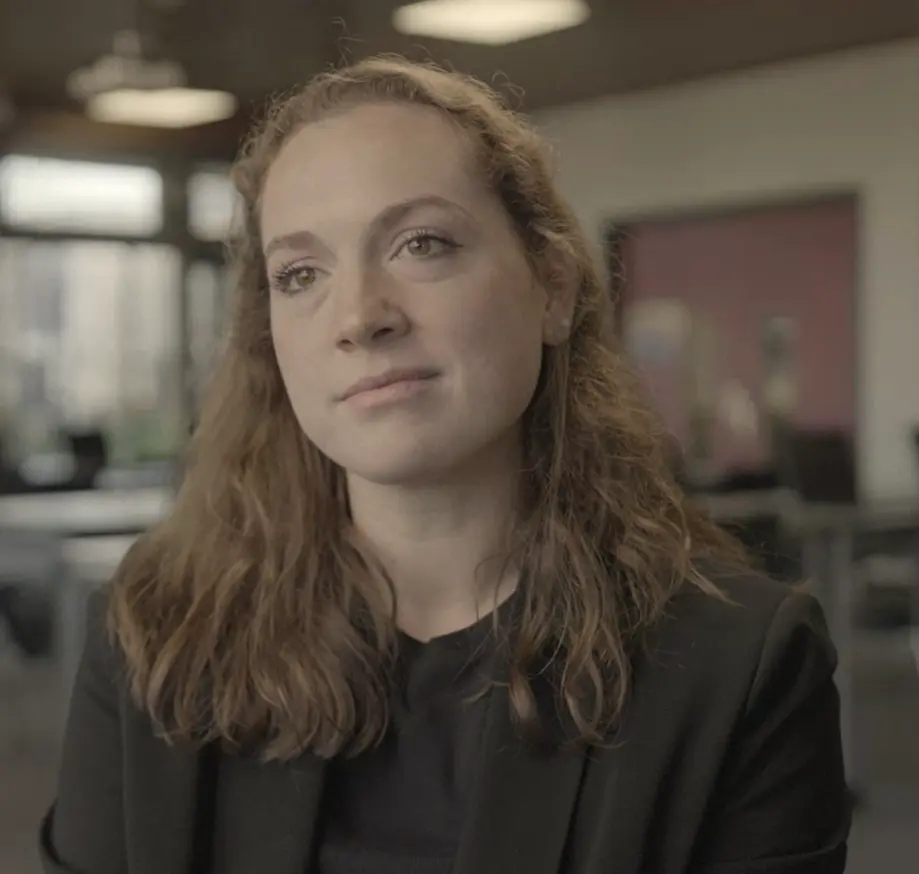
Community Dog Handler Julia and golden retriever, Georgie have been working at a secondary school delivering sessions to students who are dealing with grief and loss.
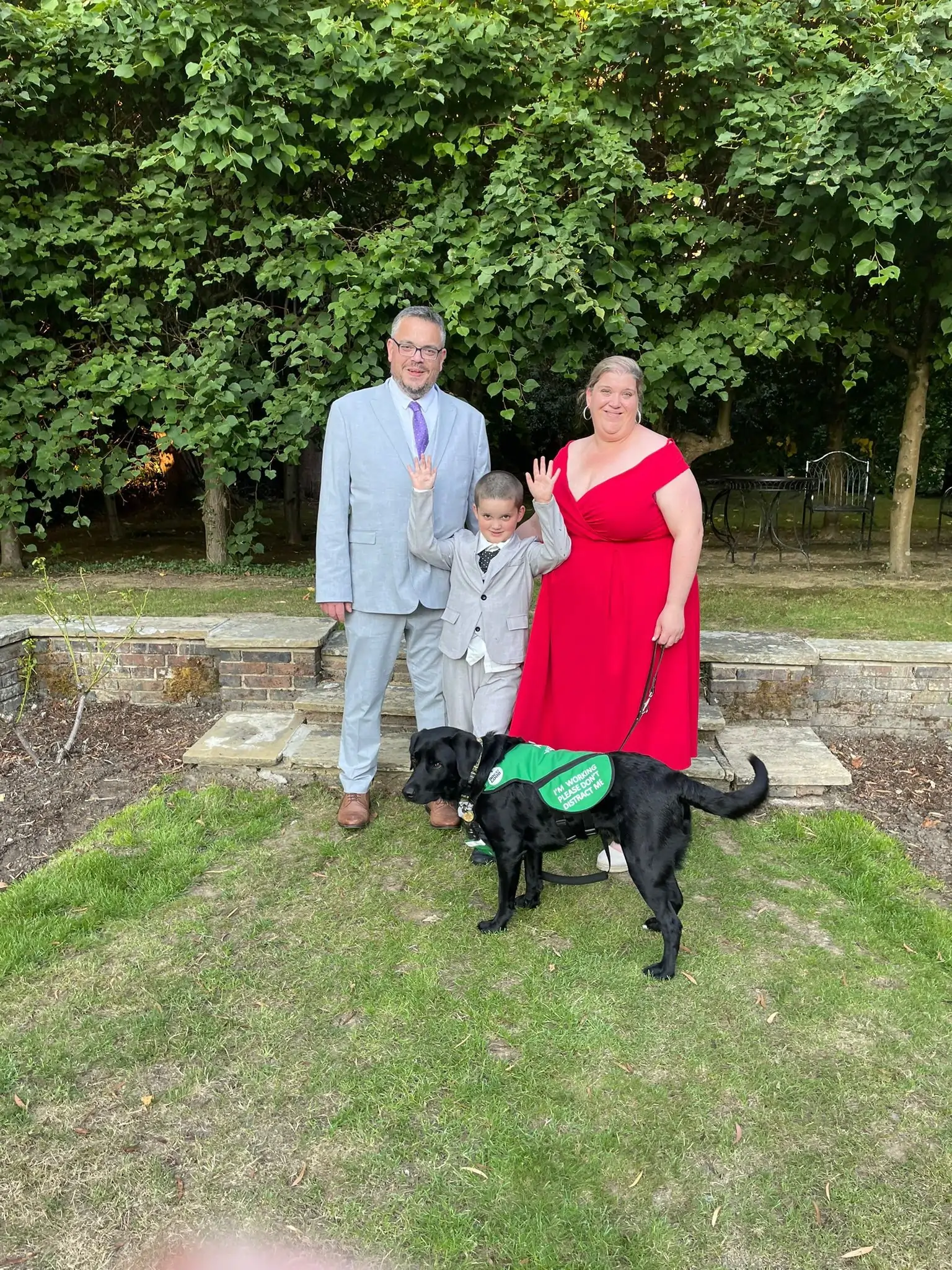
Sarah and Tom do everything to support their son, Jenson, in a world that often felt too overwhelming for him.